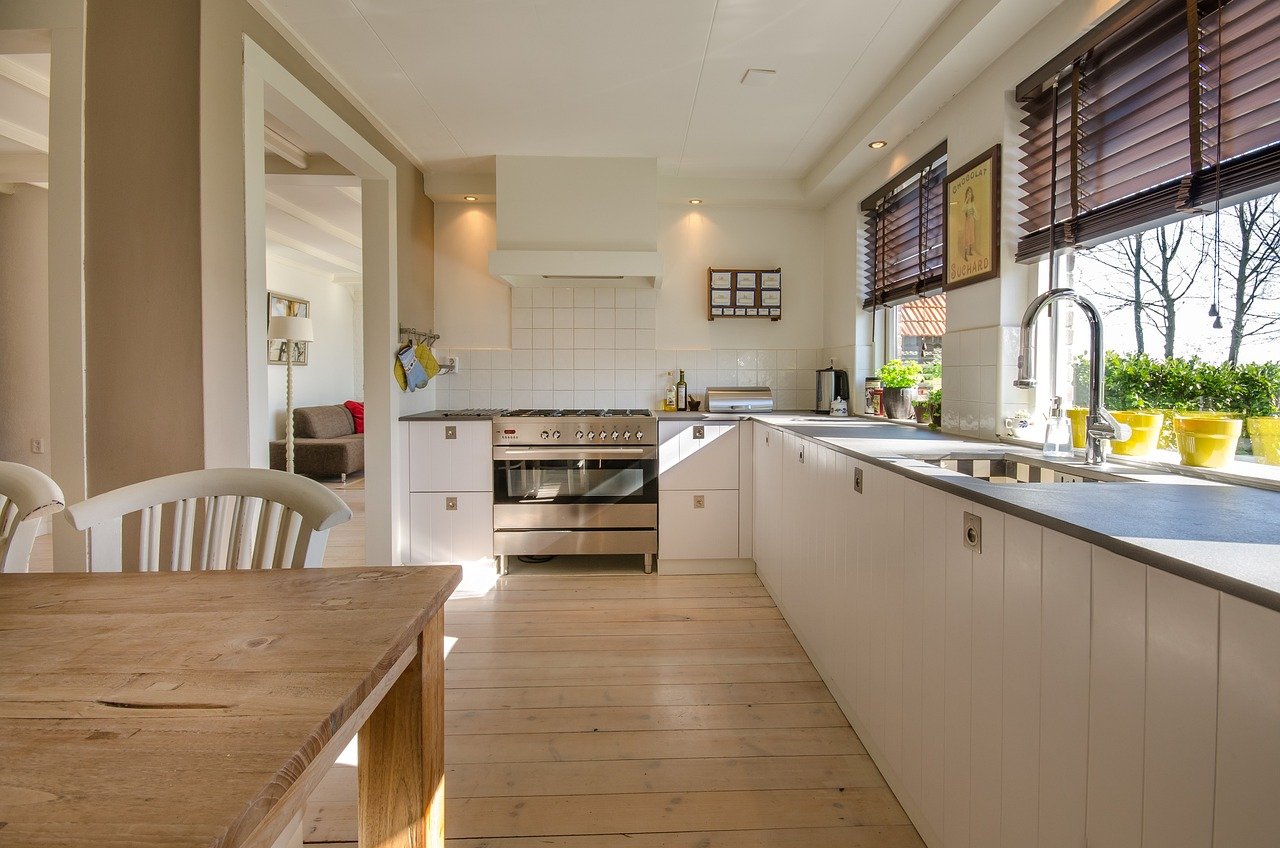
A comfortable home starts from the ground up, and flooring plays a bigger role than many homeowners realize. While traditional heating systems warm the air, they often leave floors feeling cold, especially during colder months. This is why heated flooring installation has become an increasingly popular home improvement choice. By delivering gentle, even warmth beneath the floor surface, it creates a more comfortable living environment without changing the appearance of the room.
Whether you’re renovating a bathroom, updating a kitchen, or improving an entire home, understanding the benefits and installation process of heated flooring installation can help you make informed decisions. With proper planning and quality workmanship, heated flooring provides long-lasting comfort while complementing a wide range of flooring materials.
What Is Heated Flooring Installation?
A Modern Heating Solution
Heated flooring installation involves placing a heating system beneath the finished flooring. Instead of relying solely on forced air or radiators, heat rises evenly from the floor, warming the room from the bottom up.
This approach creates a more balanced indoor temperature while eliminating the discomfort of walking on cold floors.
How It Works
Once installed, the heating system distributes warmth across the floor surface. The heat gradually rises, providing consistent comfort throughout the room. Because the warmth is evenly dispersed, many homeowners find the indoor environment more pleasant than with traditional heating methods.
Benefits of Heated Flooring Installation
Consistent Comfort
One of the greatest advantages of heated flooring installation is the consistent warmth it provides. Unlike conventional systems that may create uneven temperatures, heated flooring delivers gentle heat across the entire surface.
This reduces cold spots and makes everyday living more comfortable.
Improved Energy Efficiency
Even heat distribution often allows rooms to maintain a comfortable temperature with less fluctuation. Because warmth rises naturally from the floor, homeowners frequently experience a more efficient heating environment.
Quiet Operation
Traditional heating systems sometimes produce noticeable airflow or mechanical sounds. Heated flooring operates silently, creating a peaceful atmosphere throughout the home.
Enhanced Interior Design
Since the heating system is hidden beneath the floor, there are no visible vents or radiators affecting furniture placement or room design. This allows greater flexibility when arranging interior spaces.
Best Rooms for Heated Flooring Installation
Bathrooms
Bathrooms are among the most popular locations for heated flooring installation. Warm floors create a welcoming experience, particularly during cooler seasons.
Kitchens
Kitchens are busy areas where people spend extended periods preparing meals and gathering with family. Heated flooring improves comfort while standing for longer periods.
Living Rooms
Adding heated flooring to living areas helps create a cozy environment for relaxation and entertaining guests.
Bedrooms
Starting the day on a warm floor adds comfort to the morning routine while making bedrooms feel more inviting year-round.
Planning a Heated Flooring Installation Project
Evaluate Flooring Compatibility
Different flooring materials transfer heat differently. Before beginning heated flooring installation, it is important to determine which flooring type best supports efficient heat distribution.
Proper compatibility contributes to both comfort and long-term system performance.
Prepare the Subfloor
A clean, level, and structurally sound subfloor provides the ideal foundation for installation. Proper preparation ensures efficient operation while supporting the durability of the finished floor.
Consider Room Layout
Furniture placement, room dimensions, and insulation all influence heating performance. Careful planning helps maximize efficiency and maintain even heat throughout the space.
Caring for Heated Floors
One advantage of heated flooring installation is its relatively low maintenance requirements. Once the system is installed correctly, it generally requires minimal attention.
Regular cleaning of the flooring surface helps preserve its appearance, while periodic inspections ensure everything continues operating as intended.
Maintaining consistent indoor conditions also supports long-term performance.
Common Misconceptions About Heated Flooring
It Is Only for Bathrooms
Although bathrooms remain one of the most common installation locations, heated flooring works well in kitchens, bedrooms, living rooms, entryways, and many other areas throughout a home.
It Is Only for Cold Climates
Many homeowners choose heated flooring installation regardless of climate because it improves comfort during cooler mornings and seasonal temperature changes while creating a consistently pleasant indoor environment.
It Requires Extensive Maintenance
Properly installed heated flooring systems typically require very little maintenance. Routine floor care and occasional inspections are generally all that is needed to keep the system performing efficiently.
Conclusion
Heated flooring installation offers an excellent combination of comfort, efficiency, and modern design flexibility. By warming rooms from the floor upward, it creates a pleasant indoor environment while eliminating the discomfort of cold flooring surfaces. From bathrooms and kitchens to bedrooms and living spaces, heated flooring enhances everyday living without affecting interior aesthetics. With thoughtful planning, proper installation, and routine maintenance, heated flooring installation provides a dependable, long-term solution that improves comfort throughout the home for years to come.