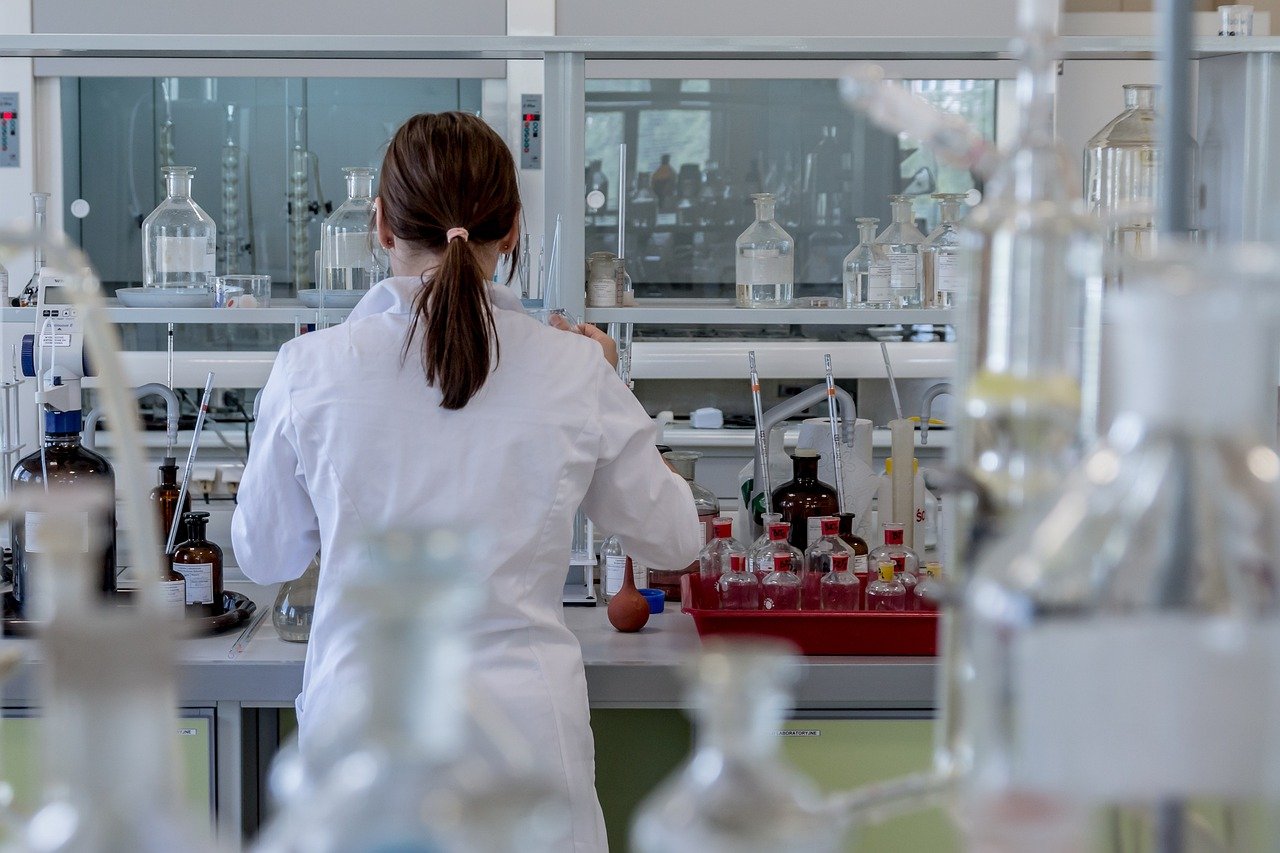
Lab supplies equipment is fundamental to the success of every laboratory, regardless of its size or area of specialization. From scientific research and educational experiments to quality testing and routine analysis, laboratories rely on dependable equipment and essential supplies to achieve accurate, consistent, and safe results. Every experiment begins with the right combination of instruments and supporting materials.
Selecting quality lab supplies equipment helps laboratories improve efficiency, maintain precision, and create a well-organized working environment. Reliable resources reduce downtime, simplify workflows, and contribute to better scientific outcomes. As laboratory technology continues to evolve, investing in dependable lab supplies equipment remains essential for meeting modern research and testing requirements.
This article explores the importance of lab supplies equipment, the major categories available, key selection factors, maintenance practices, and future trends influencing laboratory operations.
Why Lab Supplies Equipment Is Important
Every laboratory depends on lab supplies equipment to perform daily operations efficiently. From preparing samples to recording observations, laboratory personnel need dependable tools and consumable materials that support every stage of the scientific process.
High-quality lab supplies equipment improves productivity by reducing operational interruptions and minimizing measurement errors. It also helps laboratories maintain consistent procedures, resulting in reliable and repeatable experimental outcomes.
Ensuring Accurate Results
Precision is essential in laboratory work. Well-designed lab supplies equipment enables users to perform measurements, observations, and analyses with confidence. Consistent accuracy strengthens the credibility of research findings and testing procedures.
Supporting Safe Laboratory Practices
Safety is equally important in laboratory environments. Appropriate lab supplies equipment helps protect users while reducing risks associated with handling chemicals, biological samples, and sensitive materials.
Categories of Lab Supplies Equipment
Laboratories require a wide range of lab supplies equipment to support different scientific applications.
Measuring Equipment
Measurement tools are among the most frequently used laboratory resources. Pipettes, balances, burettes, measuring cylinders, and volumetric flasks help ensure accurate quantities during experiments.
Laboratory Glassware and Containers
Glassware and storage containers are essential lab supplies equipment for mixing, transferring, storing, and preparing samples. Proper containers also help prevent contamination during laboratory procedures.
Sample Preparation Tools
Sample preparation equipment includes mixers, stirrers, filtration accessories, grinding tools, and preparation containers that ensure materials are ready for detailed analysis.
Safety Equipment
Protective gloves, safety goggles, laboratory coats, face shields, and emergency spill materials are important lab supplies equipment that help create a safer working environment.
Storage and Organization
Cabinets, storage racks, refrigerators, labeling systems, and shelving units keep laboratory materials organized while protecting valuable samples from environmental damage.
Choosing the Right Lab Supplies Equipment
Selecting suitable lab supplies equipment requires careful planning and consideration of laboratory objectives.
Quality and Durability
Durable equipment provides reliable performance over extended periods. High-quality lab supplies equipment reduces maintenance needs and supports continuous laboratory operations.
Precision Requirements
Different laboratory activities require different levels of measurement accuracy. Choosing equipment that matches experimental needs helps ensure dependable results.
Ease of Use
User-friendly lab supplies equipment improves workflow by allowing laboratory personnel to perform tasks efficiently with minimal training.
Maintenance Requirements
Equipment that is easy to clean, inspect, and maintain contributes to longer operational life while minimizing unexpected downtime.
Best Practices for Managing Lab Supplies Equipment
Proper maintenance is essential for preserving laboratory performance.
Keep Equipment Clean
Cleaning lab supplies equipment after every use prevents contamination and helps maintain accurate measurements.
Perform Routine Inspections
Regular inspections identify worn or damaged components before they affect laboratory operations.
Organize Storage Areas
Proper storage protects lab supplies equipment from dust, moisture, and accidental damage while making laboratory work more efficient.
Monitor Inventory Levels
Maintaining an organized inventory ensures essential laboratory supplies remain available when needed and reduces unnecessary workflow interruptions.
Benefits of Investing in Quality Lab Supplies Equipment
Reliable lab supplies equipment offers several long-term advantages.
Improved Efficiency
Well-maintained equipment allows laboratory personnel to complete tasks faster while maintaining high standards of accuracy.
Consistent Performance
Dependable lab supplies equipment delivers repeatable results that improve confidence in research, testing, and educational activities.
Enhanced Safety
Modern laboratory resources include safety-focused features that help reduce workplace hazards and encourage responsible laboratory practices.
Long-Term Cost Savings
Durable equipment requires fewer repairs and replacements, making quality lab supplies equipment a practical investment over time.
Future Trends in Lab Supplies Equipment
Advancements in technology continue to reshape lab supplies equipment. Automated laboratory systems, digital monitoring tools, and connected instruments are helping laboratories improve productivity and data accuracy.
Sustainability is another important trend. Energy-efficient equipment, reusable materials, and environmentally responsible manufacturing practices are becoming increasingly common. Smart inventory management systems are also helping laboratories optimize resource usage while minimizing waste.
These innovations are making lab supplies equipment more efficient, reliable, and adaptable to the changing needs of modern scientific environments.
Conclusion
Lab supplies equipment is essential for maintaining productive, accurate, and safe laboratory operations. Every instrument, accessory, and laboratory supply contributes to the success of scientific research, education, testing, and analysis. By selecting high-quality lab supplies equipment, maintaining it properly, and adopting modern laboratory practices, organizations can improve efficiency while ensuring consistent and reliable results. As scientific demands continue to grow, dependable laboratory resources will remain a key factor in supporting innovation and long-term laboratory excellence.